Table Of Content
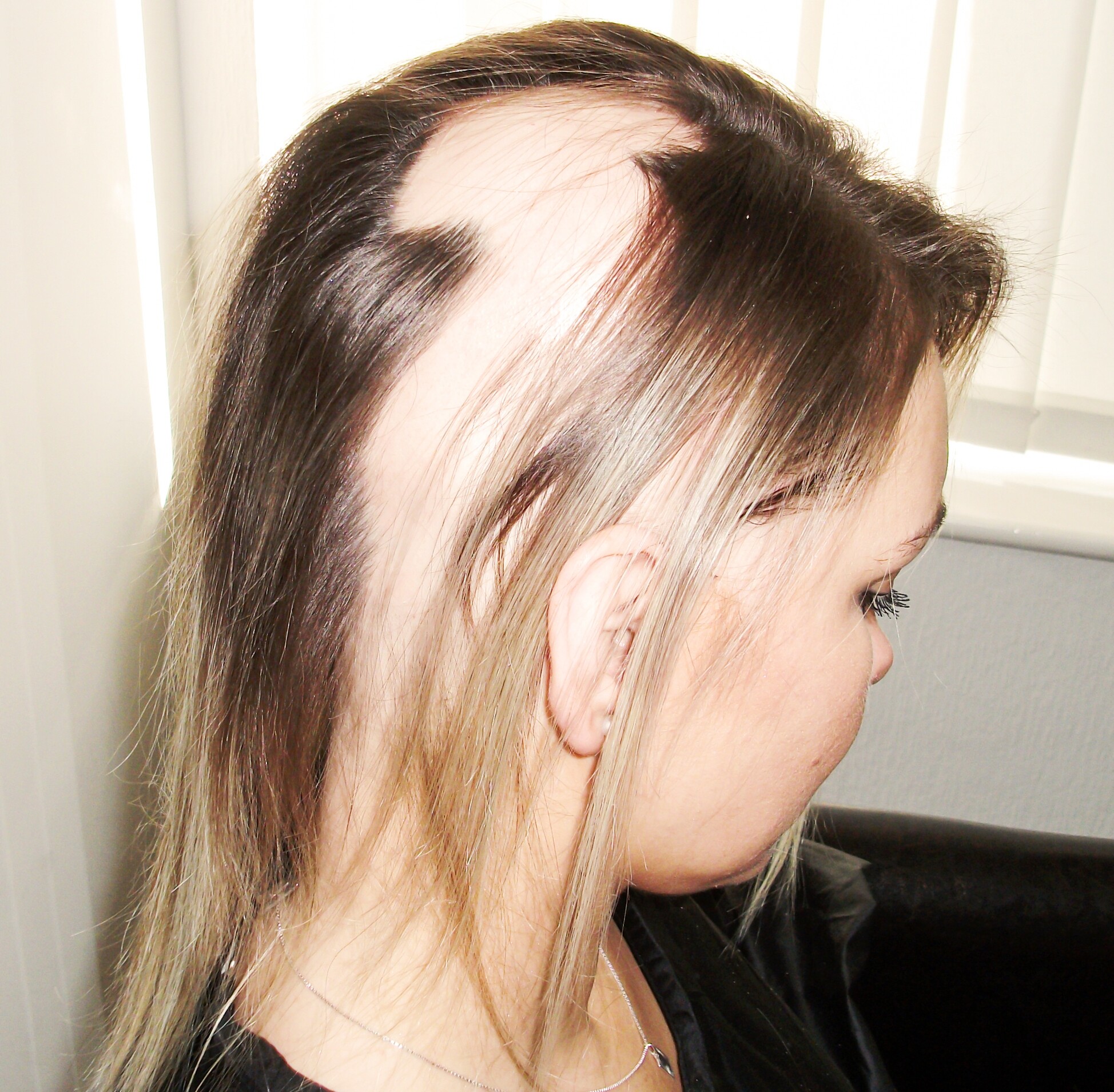
But at some point the immune attack usually comes to an end and the hair grows back. The following list of medications are related to or used in the treatment of this condition. Although experts once believed episodes of alopecia areata could be triggered by stress, newer research has failed to prove that stress is a factor. Nearly 6.7 million people in the U.S. and 160 million worldwide have alopecia areata or have had, or will have it. About 700,000 people in the U.S. currently have some form of alopecia areata. According to the latest data from the National Institute of Health, in 2017, 23% of children with alopecia said they had been bullied.
What color is your tongue? What's healthy, what's not?
The following alopecia areata photos show you the early signs, how this type of hair loss can progress, and some nail changes that can occur. This usually isn't noticeable because new hair is growing in at the same time. Hair loss occurs when new hair doesn't replace the hair that has fallen out. Another approach is the topical application of an irritant such as squaric acid, which results in a rash similar to poison ivy.
Anagen effluvium
Or your genetic makeup combined with a virus or another substance you encounter may trigger the reaction. When this happens, your hair begins to fall out, often in clumps the size and shape of a quarter. In others, the hair loss may be more significant, including total hair loss.
Causes of Alopecia Areata
The lifetime risk of alopecia areata is approximately 2%. It affects children and adults of all skin and hair colours. Peak incidence occurs in the second and third decades and most patients experience onset before the fourth decade. Alopecia areata does not carry significant sex or ethnic predominance.
Where You Lose Hair
A variety of treatments have been developed to help regrow hair and thicken existing hair on patients with alopecia, dermatologists say. Their effectiveness largely depends upon what type of alopecia you have and how quickly you start treatment. Here, dermatologists share what you need to know about alopecia, including possible causes, treatment options and what you can do to prevent more hair loss. Most baldness is caused by genetics (male-pattern baldness and female-pattern baldness).
Medical tools and resources
Alopecia: Symptoms, Causes, Treatment and More - Health.com
Alopecia: Symptoms, Causes, Treatment and More.
Posted: Tue, 16 Apr 2024 20:21:44 GMT [source]
Telogen effluvium is a type of temporary hair loss that occurs when a large number of hair follicles enter the resting phase of the hair growth cycle prematurely. It can affect people of any age and may come and go unpredictably. Although reducing your stress levels might seem insurmountable, making sure you’re eating the right things will go a long way to setting a good foundation for optimum hair growth. A healthy balanced diet is also important in stress reduction too as it can support a healthy immune system, repair damaged cells and even reduce elevated cortisol levels. Some studies suggest that telogen effluvium can also be connected to low levels of iron, so include iron-rich foods like leafy vegetables, lentils and liver where you can. If you like the idea of adding supplements to your routine, there are some which are specifically formulated to contain ingredients that increase hair thickness and health.
Teacher forced boy with alopecia to remove cap, mom says - WIS News 10
Teacher forced boy with alopecia to remove cap, mom says.
Posted: Sat, 27 Apr 2024 17:17:00 GMT [source]
The foundation also has an online collection of resources, including mentorship, a phone hotline, an annual patient conference event, and information on how to find quality wigs. The National Alopecia Areata Foundation advises those seeking treatment to consider getting prior authorization for alopecia therapy and appealing any insurance denials. The disease, though often responsive to treatment, is unpredictable. What can you do about it, and how can you learn to live with it? Surgical procedures to treat baldness are not usually covered by insurance. These include the artist misapplying the pigment, the pigment moving beyond the eyebrow after it’s applied, and pigments changing color.

Natural treatment
A number of medications are available, both over the counter (OTC) and by prescription. They found that Black females were 2.72 (NHS) and 5.48 (NHSII) times more likely to receive a diagnosis of alopecia areata than white females. Nail changes such as ridges and pits occur in some people, especially those who have more extensive hair loss. Alopecia areata primarily affects hair, but in some cases, there are nail changes as well. It is possible that emotional stress or an illness can bring on alopecia areata in people who are at risk, but in most cases, there is no obvious trigger. If you have alopecia areata, it may come and go throughout your life.
For example, identical twins share all the same genes, but if one twin has alopecia areata, there is only a 55% chance that the other twin will have it. A lack of essential vitamins and minerals such as iron, zinc and vitamin D can contribute to hair loss, particularly if you are experiencing an iron deficiency. “It’s best to avoid repetitive wear of hairstyles that pull too tightly and give the hair regular breaks from tension, especially if you notice your hair thinning. Professional hair stylist Megan gives her advice on the best hairstyles to adopt if you are experiencing thinning hair.
Depending on your therapy and its effectiveness, you may see new hair growth between four and 12 weeks after starting. So your doctor may test your skin for a fungal infection or give you blood tests to check for thyroid, hormone, or immune system problems. Alopecia areata is an autoimmune disorder that causes your hair to come out, often in clumps the size and shape of a quarter. “The vast majority of people have patchy hair loss, a more limited disease.
You may see ridges, pits, white spots, or white lines. You can either purchase over-the-counter laser devices to use at home or receive the treatments from a provider. It’s best to find a physician who treats skin conditions and is preferably board-certified in dermatology. The National Alopecia Areata Foundation has an online physician search tool where you can look for a local physician. “Because the disease isn’t dangerous in the way that it doesn’t impact overall health, it can sometimes be difficult to get the more expensive medications covered.
They know that people with alopecia areata have a genetic predisposition (increased likelihood) to it, but how is it triggered? Do the triggers first happen inside the body (from bacteria or a virus), outside the body (environmental), or a combination of both? People of all ages, genders, and racial and ethnic groups are affected by the alopecia areata.
The use of hair products such as straightening agents or certain shampoos suggests a diagnosis of trichorrhexis nodosa. A family history of hypothyroidism may warrant laboratory testing for this condition, whereas a family history of hair loss supports the diagnosis of androgenetic alopecia. Women with androgenetic alopecia will usually experience gradual thinning of the hair, typically on the top of the scalp and some women notice their hairline receding. Topical minoxidil (2% or 5% solution) is approved for the treatment of androgenetic alopecia in men. Minoxidil 2% solution is recommended for the treatment of androgenetic alopecia in women.6 Adverse effects include irritant and contact dermatitis.
In fact, even if you have alopecia areata yourself, the chances of your child having it are slim. Having alopecia areata can be frustrating and emotionally challenging because hair loss and regrowth are unpredictable. Learn more about ways to live with alopecia areata, including how to find support. “Although stress by itself does not directly cause hair loss, it can contribute to other hair loss conditions such as telogen effluvium,” Dr Shah explained. “Bleaching, perming, and extreme hold hair sprays contain harsh chemicals that can cause hair loss by damaging the hair follicles and strands.
If your hair loss is caused by an underlying disease, treatment for that disease will be necessary. If a certain medication is causing the hair loss, your doctor may advise you to stop using it for a few months. In cases of relatively mild alopecia areata, meaning there is a limited amount of hair loss, hair may regrow without treatment, although hair loss often recurs. Typically, a diagnosis of alopecia areata can be made based on the pattern and history of hair loss.


No comments:
Post a Comment